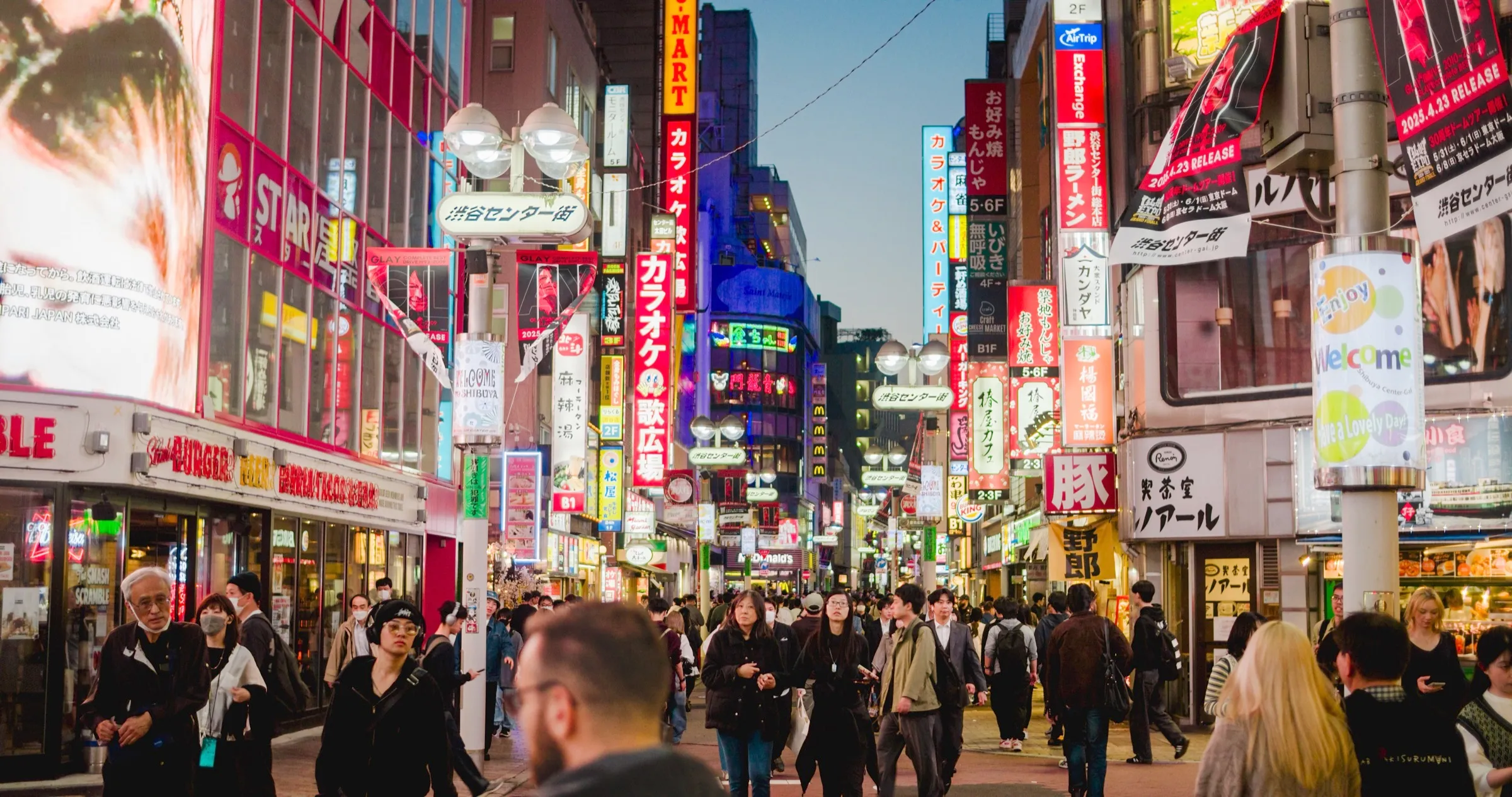
Japan is a country everyone says is “decades ahead.” I wanted to see it for myself – and ideally film the whole thing. Spoiler: getting there means 13 hours in a metal tube plus one unplanned stop in China. But once you survive that, you get one of the most interesting countries in the world.
Flight tip: I searched for routes through Kiwi.com – it combines multiple airlines at once and surfaces connecting routes that individual airlines don’t show on their own.
Days 1–2: 12 hours in a Chinese “pen”
Sleep before departure? Two hours, as usual. An 11:00 flight to Shenzhen, almost 12 hours in the air – and then the trip’s first “WTF moment.” The Czech embassy had told us we didn’t need a 24-hour Chinese transit visa. Reality: you do. They put us in a corner that we and some other Czechs started calling the “pen,” and we spent 12 hours there – 5 of them right in that corner. At least we managed to help save an English woman who nearly missed her flight.
After transferring and another 3-hour flight to Osaka, the day’s final shock was waiting: a taxi from the airport, because the last trains and buses had already stopped running. Around $190 for five people is survivable, but without a hotel booking and fast internet, you’d be completely stuck.
Transfer tip: next time I’d book a night airport transfer in advance, for example through Kiwitaxi – that way you’re not relying on finding a taxi at night and hoping the price is fair.
Tip: activate your eSIM before departure, not once you land. I used Airalo, and the difference between chasing other people’s wifi and just having working internet the moment you land is huge.
Days 3–5: Osaka, a lost backpack, and F1 at Suzuka
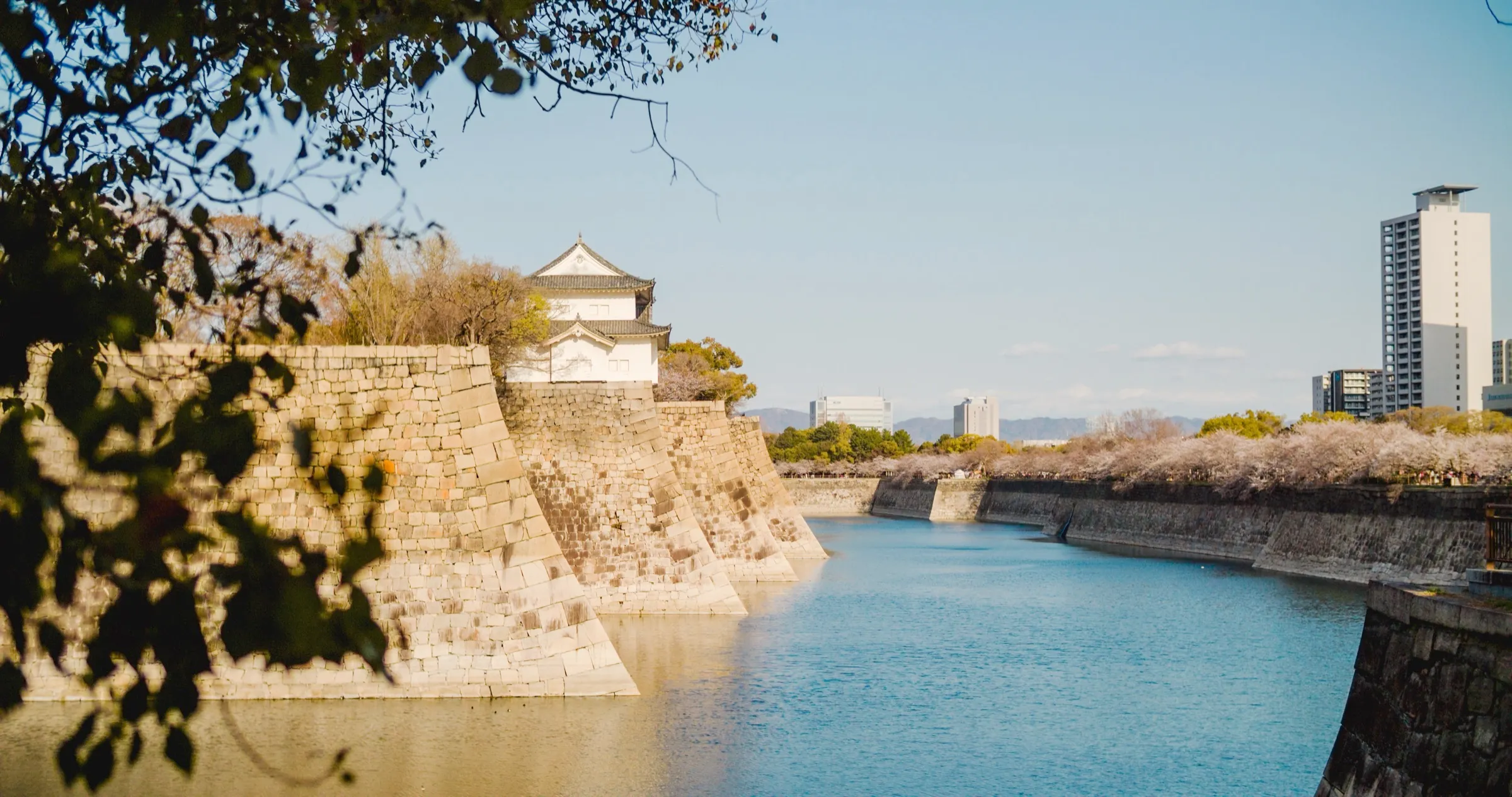
Photo Tomáš Vojíř
Osaka Castle, monumental temples, and my first big failure of the trip: I left my backpack (with everything in it) in a café because I enjoyed a coffee moment a little longer than was healthy. The woman at the café returned it to me – and thanked me more than I thanked her. Back home I’d probably have ended up buying new lenses and a laptop, but even there I hope it would have turned out the same.
As an F1 fan, I had tickets for both qualifying and the race at Suzuka. Getting there is basically a logistics exercise – half of Japan walks from the station – but once you sit down, the sound, the smell, and the speed wipe out everything else. Japanese fans don’t cheer with noise but with respect, and I liked that more than I expected.
Tip for similar experiences/tickets: I book activities and attraction tickets in Japan (and elsewhere) through Klook – booking ahead saves you a queue that, after the race, easily ran to two hours.
Days 7–9: Kyoto, a filter between the rails, and a carp fishing permit
In Kyoto, a camera filter fell out of my hands onto the tracks at the platform. A station attendant showed up with a pole and tape and fished it out like a pro – the second proof on this trip that things really do get returned in Japan.
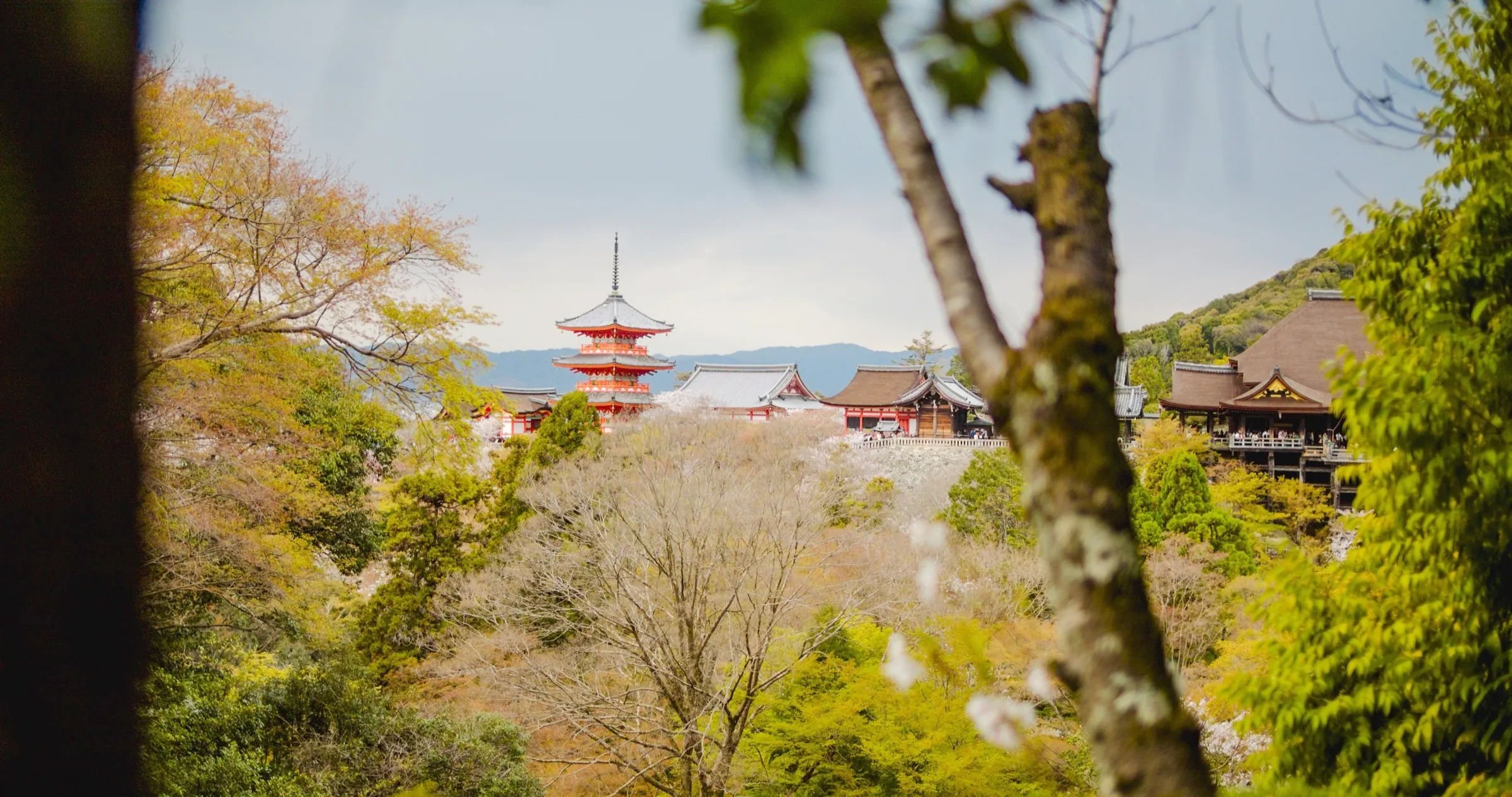
Photo Tomáš Vojíř
Kiyomizu-dera had crowds like I’d never experienced, but the temple complex is still breathtaking. A few days later, in Uji, I got a fishing permit and spent three hours trying to catch carp that ignored me completely – but a calm head by the water was worth it even without a catch.
And speaking of backpacks – after losing mine in Osaka, I decided my next travel backpack needed a proper organizer, so I’d at least know everything that was actually in it. I ended up with the Decathlon Travel 500 Organizer 40 l – it has separate compartments for exactly this kind of chaos (chargers, documents, snacks from Family Mart), and in Japan, where you’re packing and unpacking practically every other day, you appreciate it more than you’d expect.
Days 10–14: Fuji, the Shinkansen, and a lesson in not booking ahead
The Shinkansen looks and rides like a spaceship – quiet, fast, precise. At Lake Yamanaka we learned a harsh lesson: in Japan, without a booking, you overpay and don’t get to where you want to go. Verča eventually found us a car in two hours, but between the weather and the lack of a booking, we lost an entire day.
We couldn’t get up to Fuji 5th Station because of ice, so we improvised – the lake, fishing, photographing Fuji in the background without a single cloud. Sometimes plan B beats plan A.
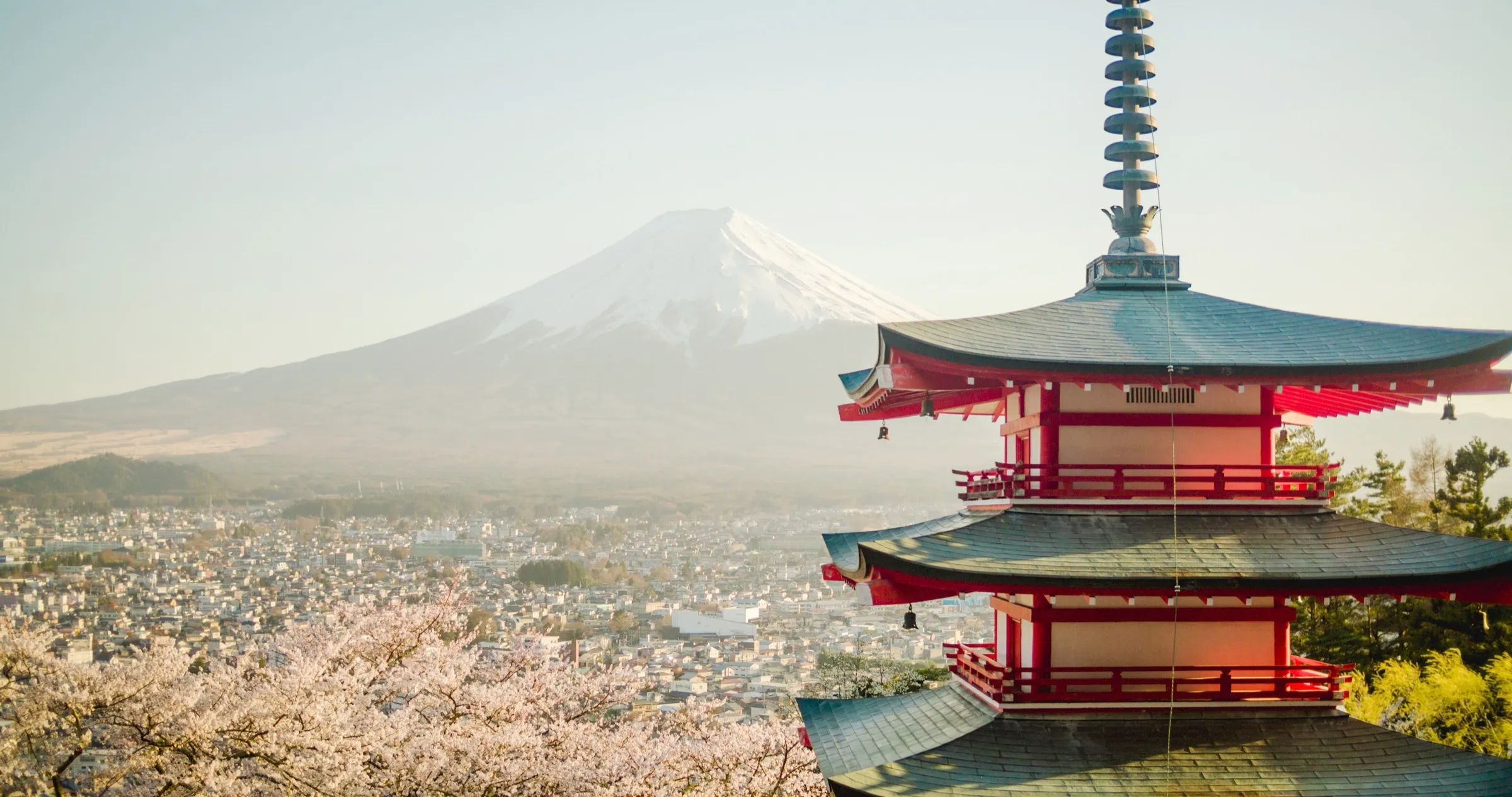
Photo Tomáš Vojíř
What I tested on camera
This trip was also a test of my gear and shooting style, so here are a few notes for anyone dealing with the same questions:
- Temples and castles: a wide-angle 11–20 mm, slow gimbal movement, 50–60 fps for cutaway details (hands, incense, footsteps on stone) – it turns ordinary B-roll into something more cinematic.
- Suzuka, the race: 120 fps for details (brake dust, sparks), 24 fps for wider grandstand shots. Add low-frequency rumble and EQ to the sound – it gives the sense of engine pressure that the image alone can’t deliver.
- Chureito Pagoda / Fuji: a long 85–130 mm lens, light haze added in post, sound design built on wind and rustling (even off cherry-blossom season).
- Micro B-roll that creates a “cinematic feel”: hands, a backpack zipper, a map, a ticket, raindrops on a train window. Nothing on its own, but together they build atmosphere.
The filter that fell between the tracks in Kyoto I luckily managed to save, but if I hadn’t, I’d have been scrambling for a replacement on the spot – something like the Rollei F:X Pro UV 72 mm from Alza, with an MRC/Nano coating and 98% transmission for a reasonable price, so there’s no reason to travel without front-element protection even on a short trip.
I’d also add the NiSi Filter ND-Vario 1-5 Stops True Color 72mm to the kit – a variable ND with the same thread, so it fits the same lens as the UV filter above. It’s a higher price bracket, but the NiSi True Color line genuinely keeps colors accurate even at full strength, which cheaper variable NDs often lack, and you notice it immediately in shots against the sun.
Practical tips to wrap up
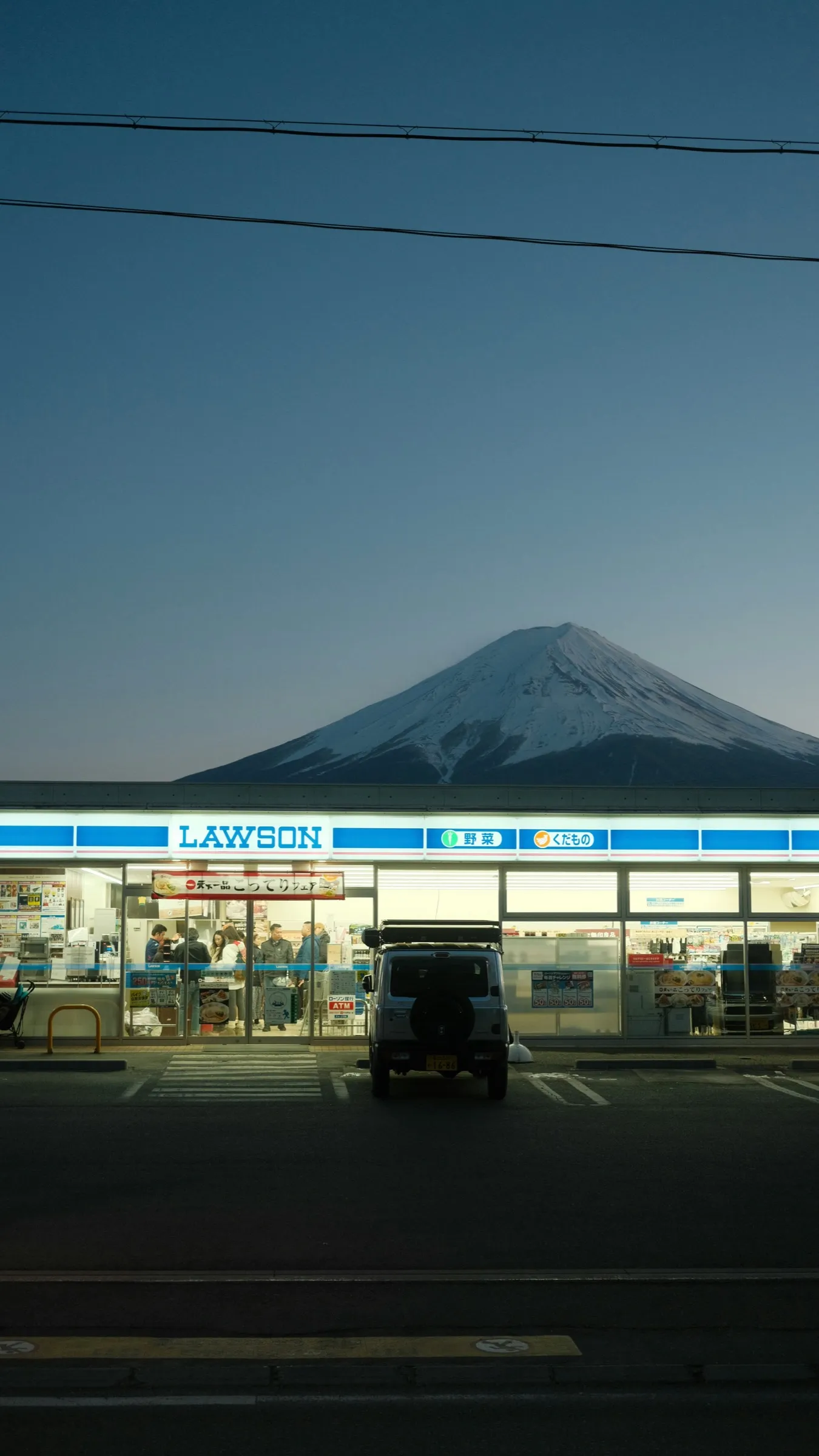
Photo Hendrik Schuette / Unsplash
- Cash + an IC card (Suica/ICOCA/PASMO): a combo that unlocks transit, lockers, and vending machines. Without cash, I once got into trouble on a local line.
- An eSIM in advance (Airalo), so you’re not hunting for wifi.
- Book accommodation and key transfers ahead of time – especially Fuji, Kyoto, and Tokyo. For activities and tickets (Suzuka and similar), set up a booking through Klook in advance.
- Quiet and respect on public transport and in temples, no eating while walking, and carry your trash with you (trash cans are surprisingly rare).
- Onsen etiquette: shower before entering, no swimsuits, keep your towel out of the water.
- Family Mart / 7-Eleven is your best friend – onigiri, coffee, an ATM, hot snacks.
- Luggage storage – if you have a few free hours before your flight and don’t want to drag a suitcase around the city, Radical Storage finds storage near almost every station in Tokyo.
- Travel insurance for your gear – with a camera and a drone in your bag, it’s worth having this sorted in advance; compare options through EKTA.
- Want to know what a similar trip would cost you? Try the travel calculator – enter the country, number of days, and your flight/accommodation/food level, and get an estimate.
- Travel gear: a backpack with an organizer, a UV filter, and a variable ND filter for the camera.
Gear in this post
affiliate · AlzaTransparency: this article contains affiliate links (Airalo, Klook, Decathlon, Alza, Kiwi.com, Kiwitaxi, Radical Storage, EKTA). If you buy something through them, I get a small commission at no extra cost to you – and I only recommend things I’ve actually used or would use.
FAQ
Do I need an eSIM in Japan, or is airport wifi enough?
An eSIM (Airalo/Mobal) is clearly simpler – you activate it on the plane and never have to worry about catching someone else's wifi in Japan. Free wifi does exist there, but not everywhere and not reliably.
Can you travel around Japan without booking ahead?
You can, but it's expensive. We tried it ourselves at Fuji Five Lakes – without a booking we paid more for both the car and the accommodation, and in season we almost couldn't get to where we wanted to go. Book accommodation and key transfers (Shinkansen, car rental) ahead of time.
Is it true that lost items get returned in Japan?
Yes, I experienced it firsthand. I left a backpack in a café in Osaka, and later a camera filter fell between the tracks in Kyoto – both turned up safe. It works in small shops too, not just at the police (kōban).